
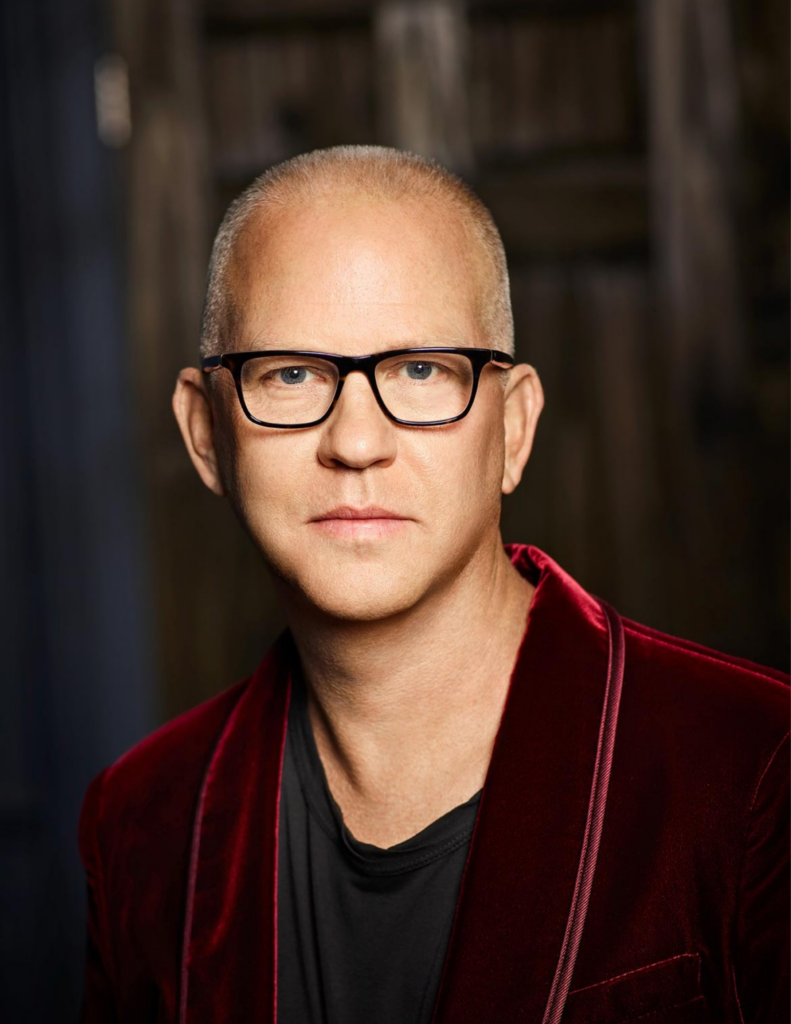
Television’s Modern Mogul
There are television producers.
And then there are ecosystem builders.
For decades, Aaron Spelling dominated network television with sprawling soap empires. Dick Wolf engineered procedural dominance with Law & Order, creating franchise infrastructure that could run indefinitely.
And now?
Ryan Murphy has become the auteur-industrialist of prestige television.
He doesn’t just make shows.
He builds universes.

The FX Takeover
Murphy’s reign began in earnest with FX.
Nip/Tuck (2003–2010)
- Glossy. Twisted. Surgical in tone.
- A cultural lightning rod.
Glee (2009–2015)
- A phenomenon.
- Award-winning. Polarizing. Era-defining.
- Proved Murphy could scale mainstream.
- Then came the franchise that changed everything
American Horror Story
- Anthology innovation. Rotating casts. Seasonal reinvention. Horror-as-fashion.
- It was here that Murphy perfected something crucial:
- Repertory loyalty.
- Actors returned. Personas shifted. Universes blended.
The Muses
Murphy does not cast randomly. He cultivates.
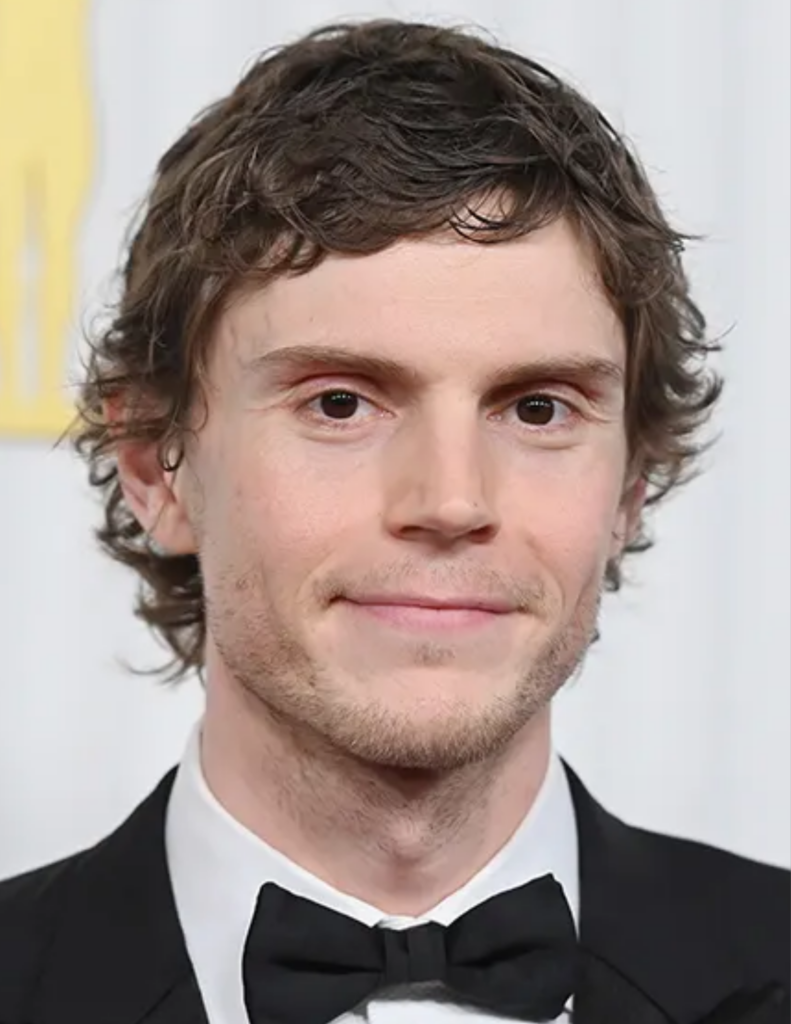
Evan Peters
Evan Peters has appeared in:
- American Horror Story (multiple seasons)
- Pose
- Dahmer – Monster: The Jeffrey Dahmer Story
Dahmer alone became a massive Netflix phenomenon — controversial, gripping, culturally unavoidable.
Peters isn’t just cast.
He transforms within Murphy’s world.
From tortured youth to sociopath to vulnerable antihero, Murphy gives him range at scale.
Sarah Paulson
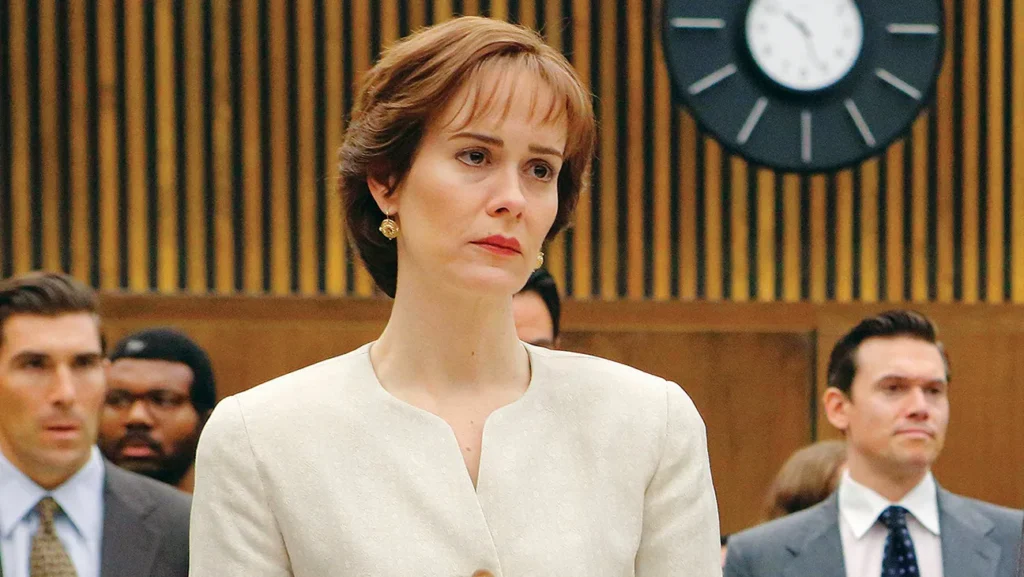
If Peters is transformation, Paulson is loyalty and spine.
Sarah Paulson has starred in:
- American Horror Story (multiple seasons)
- American Crime Story: The People v. O.J. Simpson
- Ratched
- Various Murphy anthology extensions
She won an Emmy for The People v. O.J. Simpson. She has been villain, victim, hero, sociopath, political figure.
Murphy doesn’t just rehire actors. He reinvents them. That is old-Hollywood studio thinking in modern prestige clothing.
The American Crime Chapter
Murphy didn’t stay in horror.
He expanded.
American Crime Story
- The People v. O.J. Simpson
- The Assassination of Gianni Versace
- Other true-crime prestige adaptations
Each iteration became cultural conversation.
Murphy mastered anthology repetition before it became fashionable.
The Netflix Shift
Murphy signed a historic overall deal at Netflix — one of the largest in television history.
There he delivered:
- The Politician
- Ratched
- Hollywood
- And most explosively:
Dahmer – Monster: The Jeffrey Dahmer Story
Dahmer became one of Netflix’s most-watched series ever. Viral. Controversial.
Obsessively analyzed. Murphy once again proved:
He knows how to dominate conversation.
The Hulu Era
Now Murphy is reshaping another ecosystem — Hulu.
Recent hits include:
- American Horror Story streaming dominance
- Prestige limited series
- New true-crime and historical dramatizations, including the JFK/Carolyn Bessette conversation currently igniting anticipation
Three hits active in rotation simultaneously. That’s not luck. That’s pipeline control.
Why He’s the Modern Spelling
Aaron Spelling controlled networks.
Dick Wolf controls procedural frameworks.
Ryan Murphy controls tone.
He understands branding.
Every Murphy show feels:
Stylized. Intentional. Audacious. Culturally provocative.
He isn’t accidental. He is architectural.
And like the moguls before him, he understands something most creators don’t: Repetition is power. When audiences trust your aesthetic, they return for the next iteration — even if the theme changes.
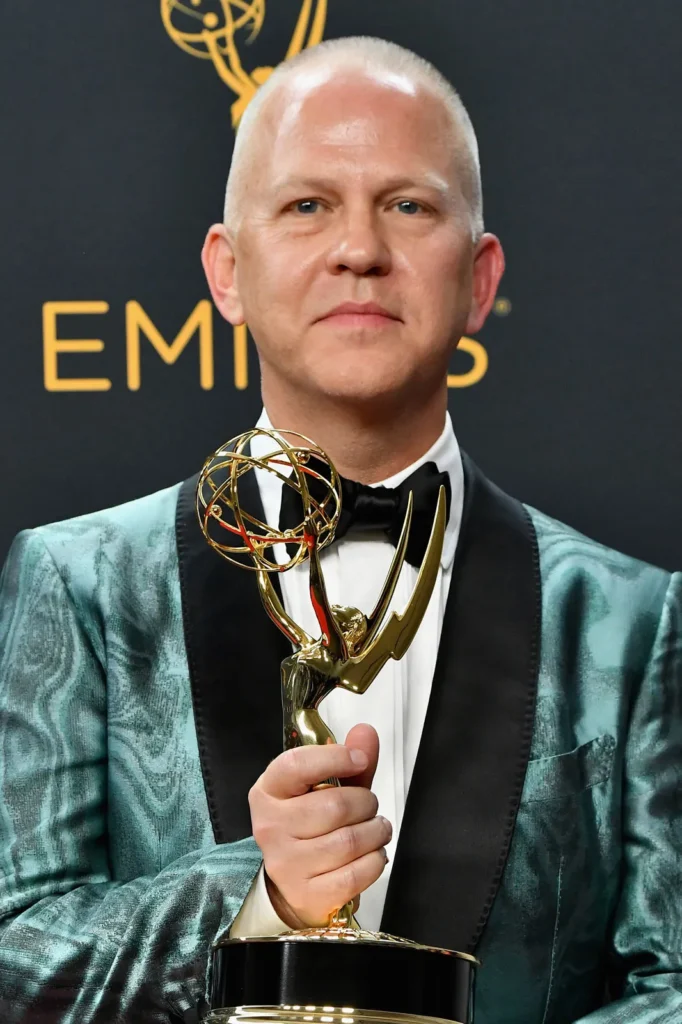
What Makes Murphy Different
- He blends camp with prestige.
- He creates recurring acting families.
- He revives older Hollywood systems (repertory, anthology, universe-building).
- He takes big tonal swings.
- He dominates multiple platforms without losing voice.
FX king. Netflix architect.
Now Hulu stronghold. That’s not a run. That’s a dynasty.
The Flowers
Murphy is not just prolific. He is strategic.
In an era where many creators burn out after one hit, he sustains narrative gravity across decades.
From Nip/Tuck to Glee to American Horror Story to American Crime Story to Dahmer and beyond — the throughline is unmistakable:
He sees patterns in culture before culture sees itself.
That’s not trend-chasing.
That’s foresight.
Television always has a handful of architects per generation.
Murphy is ours.
And whether you love every storyline or argue every casting choice, one thing is undeniable:
He is building a legacy in real time.And it’s still expanding.