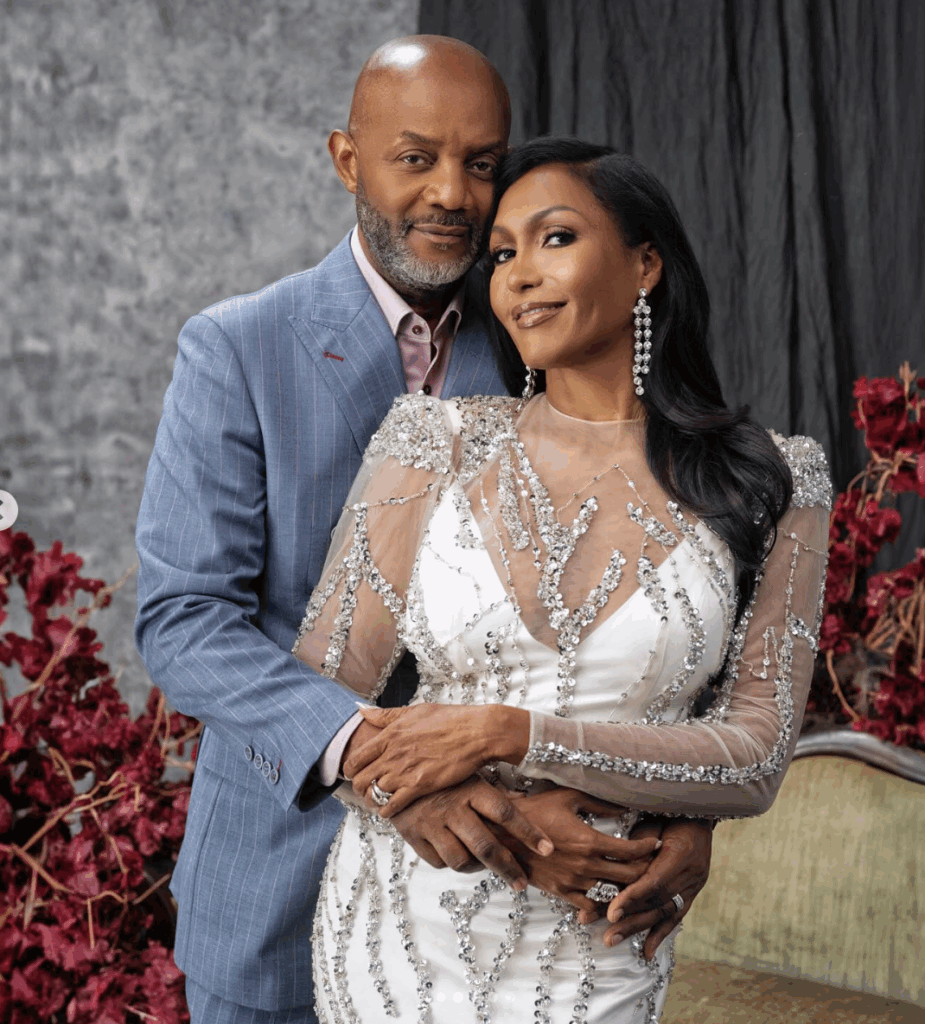
NIECY NASH-BETTS IS HAVING THE TIME OF HER LIFE
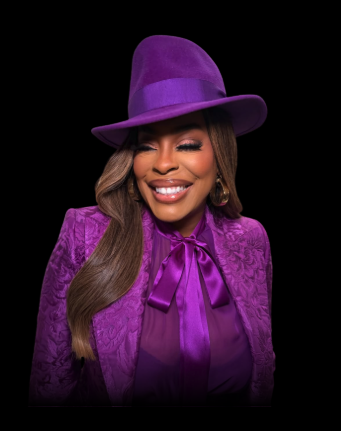
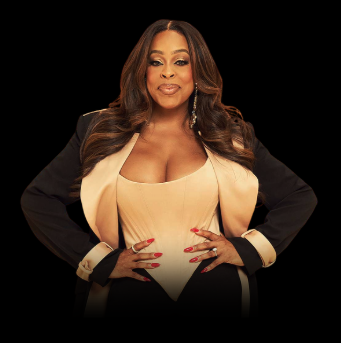
Emmy winner. Leading lady. Wife. Mother. Mentor. At 56, Niecy Nash-Betts isn’t having a comeback—she’s living proof that some of life’s best chapters arrive after you’ve stopped asking permission to write them.
There is something delicious about watching a woman reach a point in her life where she knows exactly who she is.
And right now, Niecy Nash-Betts is that woman.
After more than three decades in Hollywood, Niecy is enjoying one of the richest chapters of her career. She’s an Emmy winner, leading lady and executive producer.
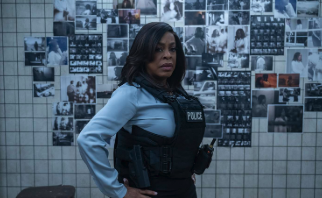
She’s starring alongside some of Hollywood’s biggest names in All’s Fair, recently led Ryan Murphy’s twisted Grotesquerie, is happily married to musician Jessica Betts and is watching her children—including actress Dia Nash—build lives and careers of their own.
But what makes Niecy so captivating isn’t simply the résumé.
It’s her.
She’s glamorous without feeling untouchable. Sexy without apologizing for it. Funny, outspoken, maternal and wonderfully grown. She feels like the ultimate auntie—the one who’ll compliment your dress, ask why you’re still dating that man, tell you exactly what you don’t want to hear and then remind you that you’re capable of doing better.
And perhaps that’s why women connect with her.
HOLLYWOOD FINALLY CAUGHT UP
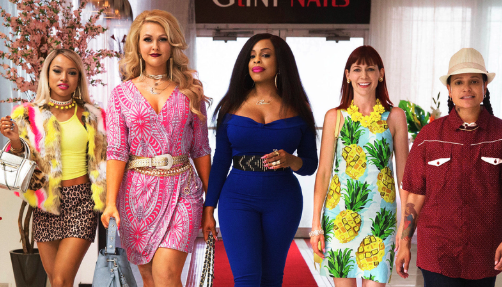
Niecy’s “overnight success” has been more than 30 years in the making. Her career began with smaller roles before Reno 911! introduced audiences to the unforgettable Deputy Raineesha Williams in 2003. The character became her breakout—and the story of how she landed it is classic Niecy. When asked if she knew sketch comedy and improvisation, she essentially said yes and figured the rest out later.
That fearlessness worked.

But comedy also created a box. Hollywood knew Niecy could make people laugh; she knew she could make them feel much more.
The role that began changing that perception was Nurse Didi Ortley in HBO’s Getting On. Niecy has called the role life-changing. It earned her two Emmy nominations and helped open the door to increasingly dramatic work, including Ava DuVernay’s Selma and When They See Us. Then came Claws.
As Desna Simms, Niecy was sexy, complicated, ambitious, vulnerable and unquestionably the star. The role gave audiences something television still doesn’t offer enough: a grown Black woman allowed to be desirable, messy, powerful and fully alive.
Niecy wasn’t changing. We were finally seeing everything she could do.
THE ROAD TO NIECY
2003: Reno 911! introduces Deputy Raineesha Williams and gives Niecy her major television breakthrough.
2013: Getting On begins changing Hollywood’s perception of her dramatic abilities.
2017: Claws puts Niecy firmly in leading-lady territory.
2019: When They See Us earns her another Emmy nomination.
2022: DAHMER reveals yet another level of her dramatic power.
2024: Grotesquerie puts her front and center in Ryan Murphy’s surreal horror world.
2025–NOW: All’s Fair ushers in another glamorous chapter—and another hit.
AND THEN SHE THANKED HERSELF
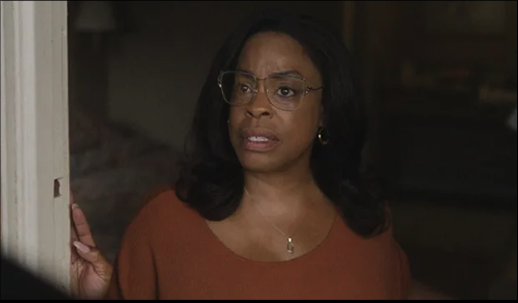
In DAHMER – Monster: The Jeffrey Dahmer Story, Niecy delivered one of her most haunting performances as Glenda Cleveland, the neighbor whose warnings about Jeffrey Dahmer repeatedly went unheard.
The performance earned her the first Primetime Emmy win of her acting career.
And then came the speech.
Standing on the Emmy stage, Niecy thanked the people who helped her get there—and then thanked herself.
“I want to thank me, for believing in me and doing what they said I could not do.”
It became an instant cultural moment because underneath the humor was something women understood.
Sometimes you have to acknowledge the version of yourself who kept going when nobody else could see where you were headed.
WELCOME TO NIECY’S LEADING-LADY ERA
If DAHMER confirmed her dramatic power, Grotesquerie pushed it somewhere darker.
As Detective Lois Tryon, Niecy carried Ryan Murphy’s surreal horror drama through murder, addiction, family trauma, faith and psychological chaos.
It was another reminder that trying to assign her a “lane” at this stage is pointless.
And now there’s All’s Fair.
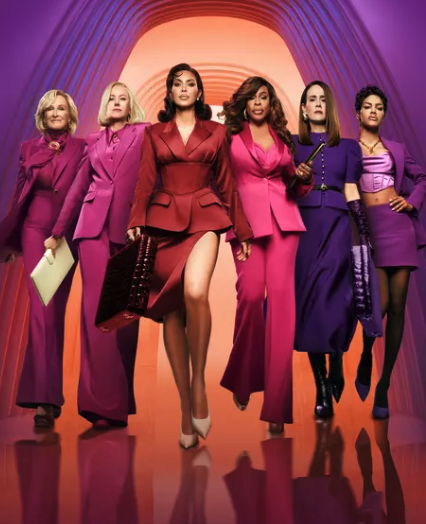
The glossy Hulu legal drama places Niecy’s Emerald Greene alongside Kim Kardashian, Naomi Watts, Glenn Close, Sarah Paulson and Teyana Taylor in one of television’s splashiest female ensembles.
Critics weren’t always kind.
Audiences didn’t care.
The series was renewed for a second season, and Niecy also serves as an executive producer, giving her a voice behind the camera as well as in front of it.
Even more revealing was what happened when criticism of the show became brutal: Niecy called the women. She checked on them. That’s Auntie Niecy.
The actress has said that kind of care is simply in her DNA, and it may explain why she feels like something more than a celebrity. She celebrates people, encourages them and isn’t afraid to remind them who they are.
LOVE LOOKS GOOD ON HER
Career success is only part of why this chapter feels so joyful.
This August, Niecy and Jessica Betts celebrated six years of marriage, and Jessica marked six years with six carats—surprising her with a spectacular diamond ring and essentially proposing all over again.
Their relationship has become one of the most visible parts of Niecy’s life, but what resonates isn’t simply that she found love with a woman after previously being married to men.
It’s that she allowed herself to follow happiness somewhere unexpected.
Niecy has resisted other people’s need to define that journey for her. She fell in love with Jessica, chose that love and kept moving forward.
“Love makes you courageous. It makes you bold.”
And Jessica’s love has helped reinforce something Niecy seems to embody more with every passing year:
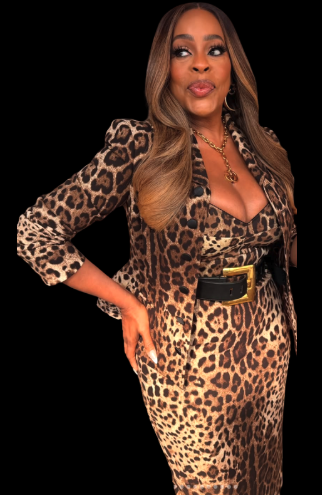
She doesn’t have to shrink. She can take up all the space.
MAMA NIECY
That same combination of love and accountability extends to her three children.
Daughter Dia Nash has followed her mother into acting, even playing Niecy’s daughter in DAHMER.
Their relationship has since given audiences glimpses of another Niecy—the mom laughing, creating content and sharing the spotlight with her grown daughter.
But support doesn’t mean shortcuts.
Niecy’s approach appears rooted in the same philosophy she applies to herself: believe in your gift, but do the work.
And maybe that’s where the role-model part of her story becomes most interesting.
Niecy Nash-Betts isn’t presenting herself as a woman who figured everything out at 25.
She’s showing women what it can look like to keep figuring it out at 40, 50 and beyond.
Love can surprise you.
Your career can expand.
Your children can grow up and become your friends.
You can change your mind.
You can reinvent yourself.
You can still be sexy.
You can still want more.
And you can absolutely begin another chapter.
THE ULTIMATE AUNTIE
Maybe “role model” isn’t even the perfect description for Niecy.
Maybe she’s something warmer.
She’s the auntie.
The woman who has lived enough life to know everybody doesn’t deserve access to you. The woman who can laugh loudly, love deeply, work hard and still tell you when you’re making a terrible decision.
The woman who understands that reinvention doesn’t have an expiration date.
There’s something powerful about watching a woman arrive at a place where her career, love, family and sense of self finally seem to belong to the same person. Niecy isn’t chasing youth.
She isn’t trying to become the newest anything. She’s simply becoming more Niecy.
SHE’S NOT FINISHED
Niecy once entered Hollywood as the funny girl.
Today she’s an Emmy-winning dramatic actress, comedian, producer, wife, mother and cultural figure whose career seems more interesting now than ever.
And she’s still hungry. That’s what makes this moment different.
This isn’t a comeback because Niecy never went anywhere. She simply kept growing until the roles got bigger, the opportunities got richer and the life surrounding the work began reflecting the woman she’d become.
Hollywood may have taken a while to understand the full range of Niecy Nash-Betts.
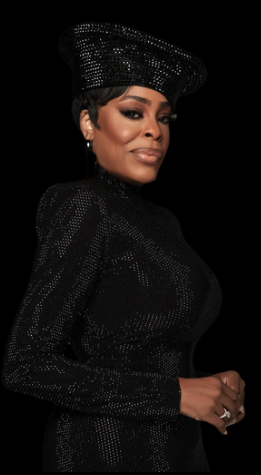
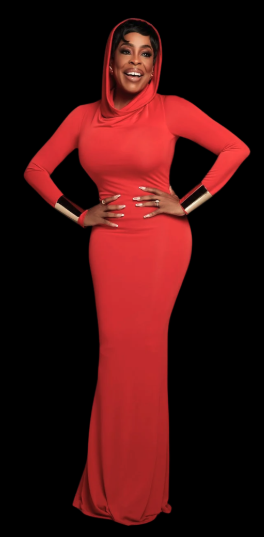
Niecy never had that problem.
She believed in herself before everybody else caught up.
And judging by the life she’s living now, thanking herself was absolutely appropriate.
A couple of the strongest factual anchors are solid: Reno 911! was her major TV breakthrough;
Getting On earned two Emmy nominations and Niecy herself has called it the most life-changing role of her career;
DAHMER delivered her first acting Emmy; and All’s Fair has officially been renewed for Season 2. And the six years/six carats anniversary moment is brand-new as of August 31, which is perfect for a September cover story.