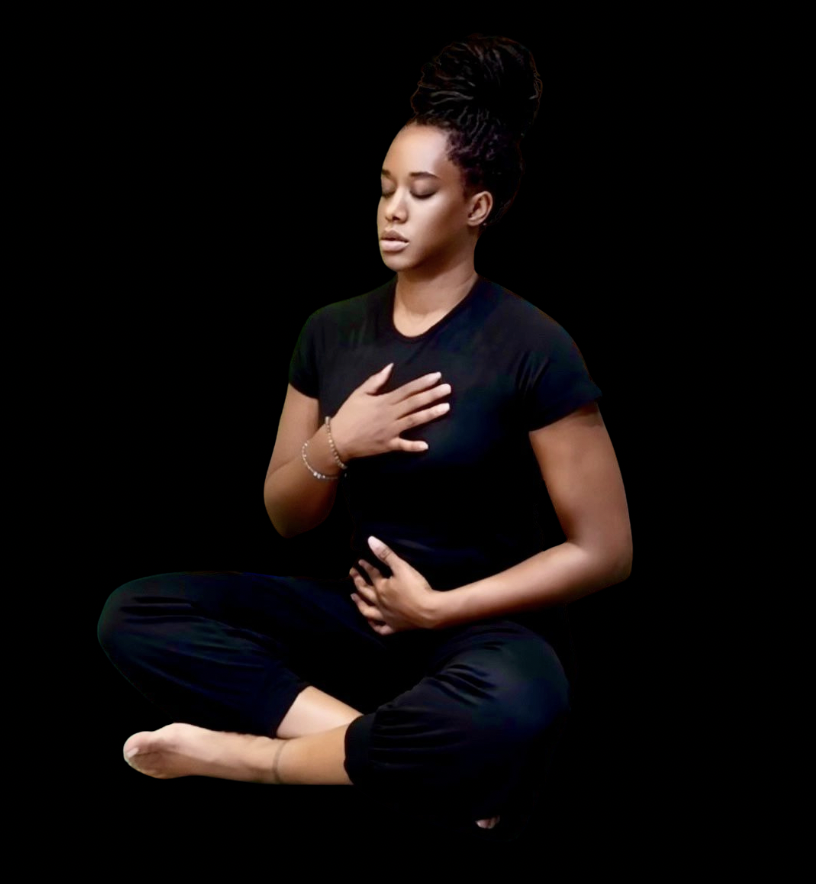
Fitness Journey
It’s January, and if you’ve been anywhere near a gym lately, you can feel the energy. New
routines, fresh starts, people deciding that this is the year they finally prioritize themselves.
That alone is something to be proud of. If one of your goals this year is to get back into working out, start moving again, or simply feel
better in your body, I want to start by saying this: there’s nothing wrong with you if it hasn’t worked before.
Life changes, seasons change, and our bodies respond to all of it. What matters now is how you move forward.
Why Restarting Can Feel Hard
So many people jump back into fitness with excitement, only to feel discouraged a few weeks later. Not because they didn’t care enough — but because their bodies weren’t ready for the intensity they asked of them. Lingering soreness.
A tired body that never quite recovers. Joint discomfort. Workouts that feel hard but don’t feel effective. When your body feels like it’s constantly playing catch-up, motivation fades. That’s not a character flaw. It’s feedback.
Preparation Changes Everything
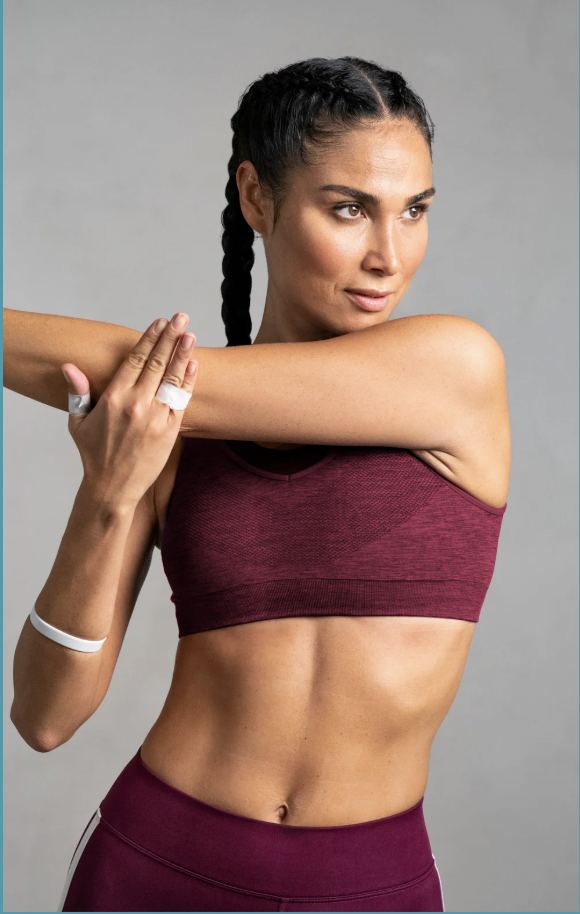
Getting ready to work out is more than a quick stretch or a warm-up you rush through.
Touching your toes and a few arm circles is not enough… It’s about helping your body feel safe enough to work hard.
That looks like:
- Giving your joints time to move freely again
- Waking your muscles up gradually
- Rebuilding endurance at a pace that feels supportive
- Paying attention to how your body actually feels, not how you think it should feel
When you take time to prepare, movement becomes something you work with, not something you push through.
Fuel Is Part of the Process
One thing I see often is people trying to overhaul everything at once — eating less while moving more, expecting their body to keep up.
Movement requires energy. Period.
You don’t need a perfect diet, but you do need nourishment. Balanced meals, enough protein,
and consistency make a real difference in how you feel during and after workouts. Even when
fat loss is the goal, strength and muscle support that process — and they need fuel.
Think of food as support, not restriction.
Low Intensity Is a Smart Starting Point
If you’re returning to movement after time away, low-intensity workouts can be incredibly powerful. Yoga, Pilates, mobility work, and intentional strength training help you reconnect with your body without overwhelming it.
This phase allows you to:
- Learn how your body moves now
- Notice limitations without judgment
- Build confidence and endurance
- Create a foundation that makes everything else feel easier
It’s not about doing less — it’s about doing what makes sense right now.

Why Variety Matters
It’s also important to step outside your comfort zone when it comes to movement. For years, I was the yoga girl — and now I’m becoming the gym girl too. Not because yoga isn’t powerful (it is), but because I learned firsthand that it wasn’t enough on its own to build the kind of strength my body was asking for.
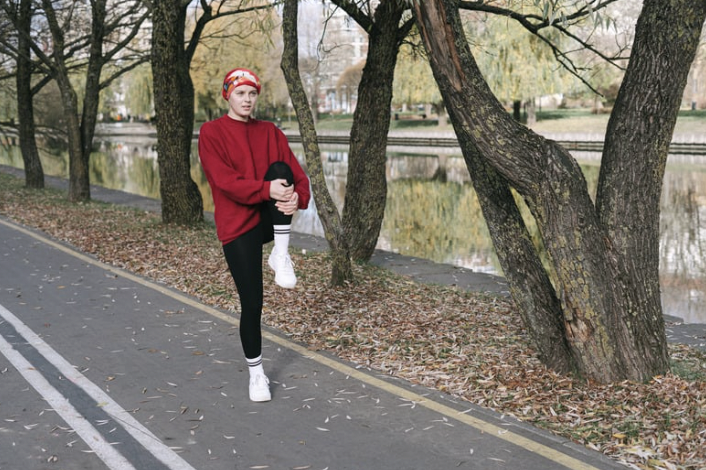
You might fall in love with one style of movement, and that’s okay. Just understand that working out needs balance and variety. Flexibility, strength, cardio, and stability all play a role. Each modality supports the others — and together, they support your long-term health and performance.
Progress Has an Order
Just like learning any new skill, fitness works best when you respect the process. Body awareness comes before strength. Strength comes before intensity. When you move in that order, your workouts feel more effective — and your body feels more supported.
Your “Why” Matters More Than Motivation
There will be days when you don’t feel like showing up. That’s normal. On those days, your reason is what carries you.
Write it down. Keep it close. Let it remind you why this matters to you, not anyone else.

This isn’t about pushing harder. It’s about understanding your body, moving with intention, and finally creating a routine that works with you. If exercise hasn’t worked for you before, it doesn’t
mean you failed — it just means you needed a different starting point.
And now, you have one.
Stay Connected,
Jasmine
A Supportive Way Forward
If you’re feeling unsure about where to start, you don’t have to do this alone. Working with a personal trainer or coach can make a huge difference — someone who understands your goals and helps you map out a plan that fits your body and your life. Think of them like a college advisor: helping you choose the right path so you don’t burn out or get discouraged.
This is also why I created Pre-Workout: The Prerequisites, a 12-week online program designed to help your body feel ready before stepping into any gym environment. It focuses on preparation, awareness, and confidence — not extremes.
Supporting your movement with proper fuel matters too. Simple, research-backed options like Isagenix products can help support energy and recovery when life gets busy — not as a replacement for real food, but as an added layer of care.