There are celebrity backstories that feel dramatic—and then there are stories that redefine the word survival. The life of Charlize Theron sits firmly in the latter. Long before the red carpets, Oscars, and billion-dollar franchises, there was a farmhouse in South Africa, a volatile father, and one night in 1991 that would alter the trajectory of her life forever.
This is not just a story about tragedy. It is a story about violence, protection, silence, reinvention—and ultimately, power.
WHAT REALLY HAPPENED
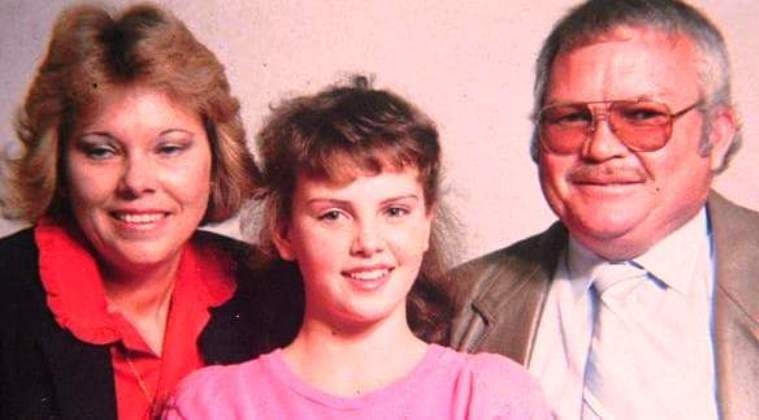
Charlize Theron was just 15 years old when the unthinkable unfolded inside her childhood home in Benoni, South Africa. Her parents—Gerda Maritz and Charles Theron—had a long history shaped by alcoholism, volatility, and domestic tension.
On June 21, 1991, everything escalated.
According to Theron’s own recent and past interviews, her father had been drinking heavily and returned home enraged. What began as emotional volatility quickly turned into life-threatening violence. He arrived armed and began firing a gun into the house, targeting the very room where Charlize and her mother were hiding.
Theron has described the moment with chilling clarity:
- He shot through doors trying to break in.
- She and her mother braced themselves, knowing the intent was deadly.
- The situation was no longer ambiguous—this was survival.
In that moment, Gerda Maritz made a split-second decision that would save both of their lives. She retrieved a firearm and shot her husband.
He died at the scene. Authorities later ruled the shooting self-defense, and no charges were filed against her.
This is a crucial distinction: It was not legally considered murder—it was an act of protection.
THE AFTERMATH — SILENCE, SHAME, AND REWRITING THE STORY
Trauma doesn’t end when the gunshots stop. For years, Charlize Theron did not tell the truth about what happened. Instead, she told people her father died in a car accident—a protective lie rooted in shame, confusion, and the lack of language around domestic violence at the time.
“I didn’t want to tell anybody.”
This silence is a pattern seen in survivors of domestic violence—especially children.
What Was Her Father Like?
Theron has been direct, but careful:
- He struggled with alcoholism
- He was emotionally and physically abusive
- The violence in the home had built over time, not overnight
This context matters. The night wasn’t random—it was the breaking point of a long, escalating pattern.
Her Mother: Protector, Not Villain
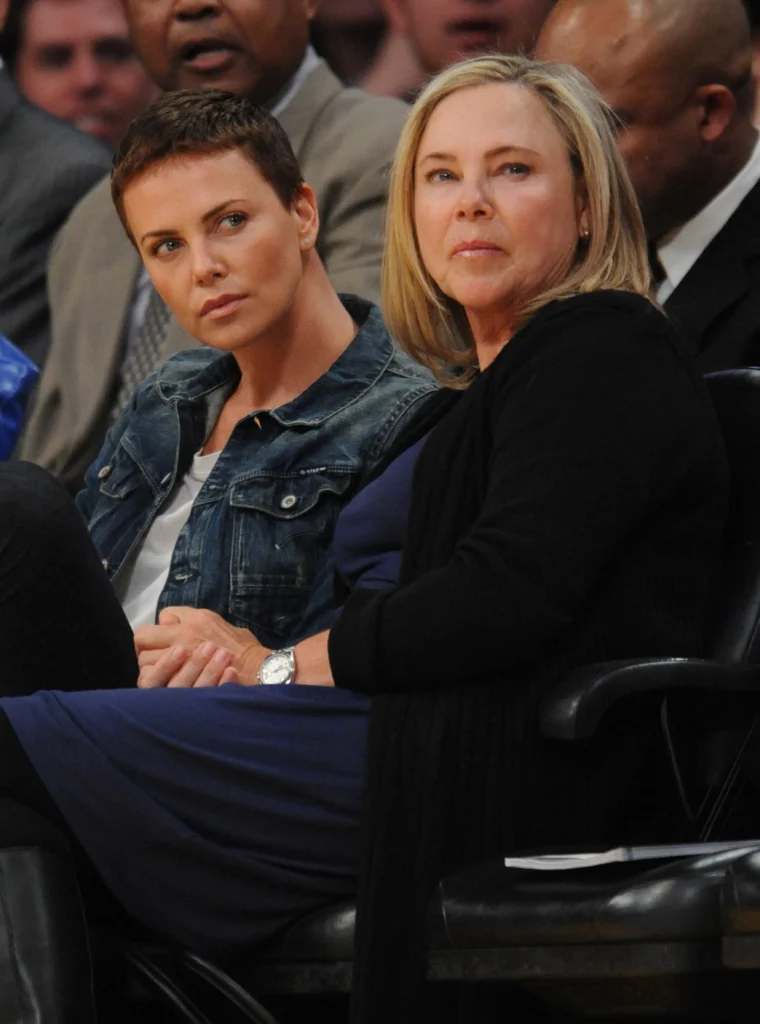
Gerda Maritz did not remarry, and she remains one of the most important figures in Theron’s life. In fact:
- Theron credits her mother with saving her life
- They maintain an extremely close relationship
- Gerda has lived near Theron in the U.S. for years
The narrative here is powerful:
A woman who refused to become a victim—and instead became a protector.
LONG-TERM IMPACT — LOVE, IDENTITY, AND BREAKING THE CYCLE
Does Charlize Theron Miss Her Father?
Theron rarely frames her father in nostalgic terms. Her reflections are grounded in realism, not longing. The emotional complexity is there—but it’s not romanticized.
Instead, she speaks more about:
- Understanding trauma
- Breaking cycles
- Creating a different life
Family Structure
- Only child
- No siblings
- Raised primarily by her mother after the incident
Marriage & Relationships — A Direct Link to Her Past?
This is where the psychological ripple becomes clear.
Theron has:
- Never been married
- Had long-term relationships (including Stuart Townsend and Sean Penn)
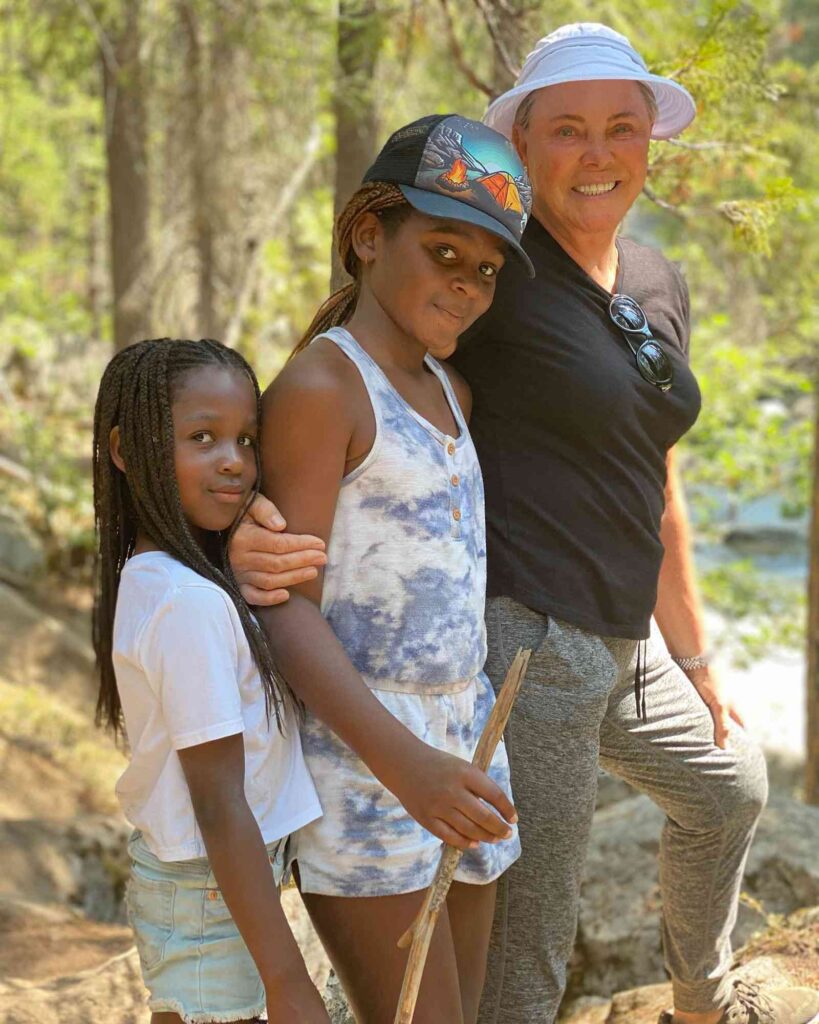
- Chosen to become a single mother by adoption
She has openly said that her upbringing influenced her views on relationships and commitment. Rather than recreate a traditional family model, she built her own.
Motherhood as Healing
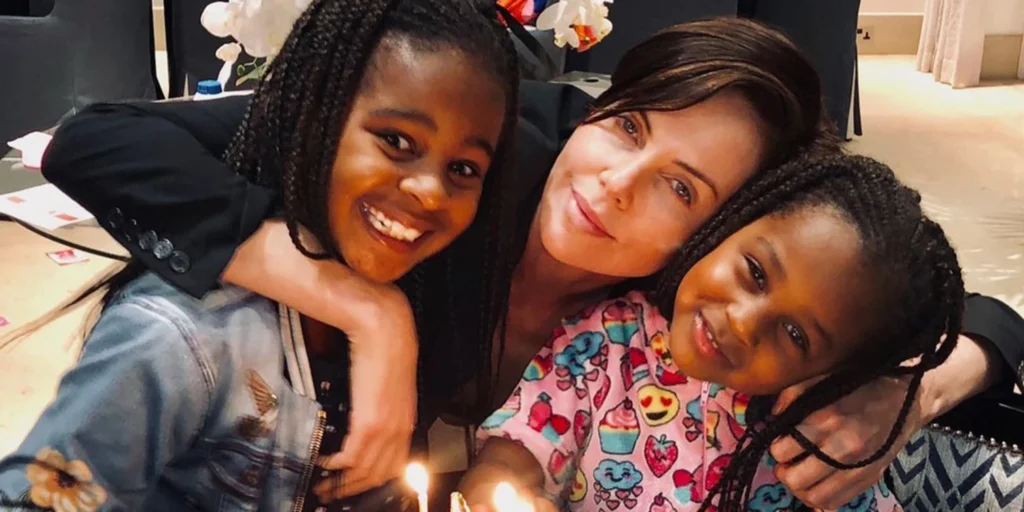
Theron adopted two daughters and has described motherhood as:
- Empowering
- Intentional
- A way to break generational patterns
BEYOND CHARLIZE: IS SHE ALONE IN THIS KIND OF STORY?
While rare, Theron is not the only public figure with a parent involved in a killing. However, what makes her story distinct is:
- The clear legal ruling of self-defense
- Her young age as a witness
- Her willingness to speak about it publicly
- Her evolution into an advocate for domestic violence awareness
Many celebrity stories involve scandal.
This one involves survival—and truth.
FINAL THOUGHT: FROM TRAUMA TO POWER
What makes this story resonate today—especially as Theron continues to open up—is not just the shock of what happened.
It’s the reframing.
She is not telling this story as a victim.
She is telling it as a witness, a survivor, and a woman who refused to let trauma define her limits.
In her own words, she now speaks out so others don’t feel alone.
And maybe that’s the real headline:
Charlize Theron didn’t just survive her past—she transformed it into purpose.