
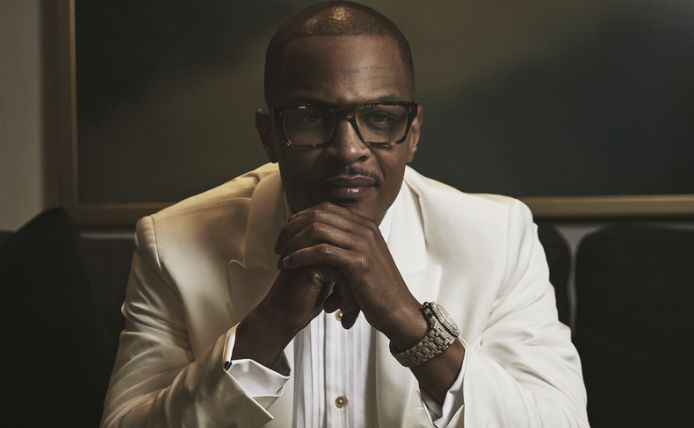
The King Returns: T.I., Pharrell, and the Soundtrack of a Cultural Resurrection
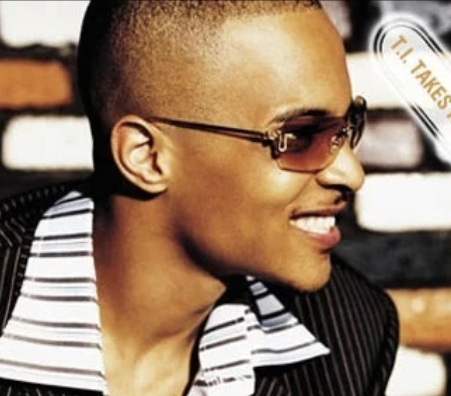
In 2006, T.I. did not ask for the crown.
He declared it.
King debuted at No. 1 on the Billboard 200. “What You Know” didn’t just dominate radio — it became a statement record. It walked with authority. It moved with certainty. It carried the energy of a man who understood exactly where he stood in the hierarchy.
There was no ambiguity in that era.
Hip-hop had structure. There were leaders. There was weight to albums.
There were moments. T.I. was one of them. And standing beside that moment — shaping its sound without overpowering it — was Pharrell Williams. The Neptunes had already engineered a decade’s worth of defining records.
Minimal but rich. Space-heavy but powerful. Polished, yet undeniably Southern when necessary.
They understood something about music that many lost in the streaming era:
Power does not need clutter.
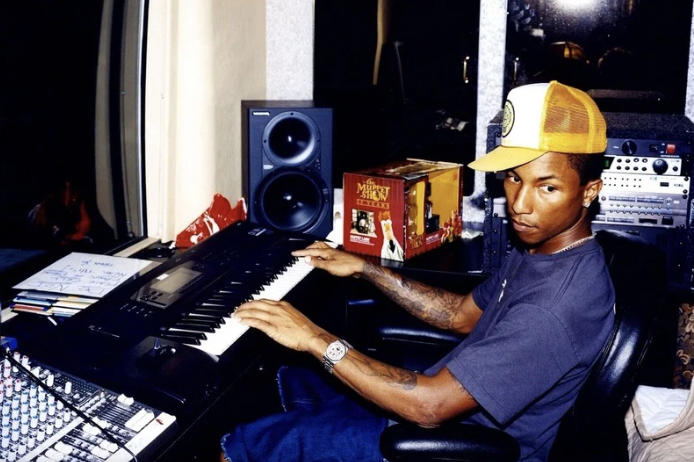
The Architecture of 2006
The mid-2000s weren’t just about club records and swagger. They were about positional dominance. Southern rap had risen from regional force to mainstream command. Atlanta was no longer “next.” It was now. And T.I. was one of its most disciplined architects — methodical, calculated, strategic. “Why You Wanna.”
“Live in the Sky.” “What You Know.”
These weren’t disposable singles.
They were ecosystem builders.
They defined an era when artists didn’t flood the market — they curated it.
Pharrell’s influence during that period cannot be overstated. His production didn’t scream. It framed. It carved space for cadence. It trusted restraint. And that discipline elevated the artist. The collaboration wasn’t trendy. It was structural.
The Return — With Intention
Nearly two decades later, T.I. re-emerges, reportedly preparing what he has suggested may be his final studio album.
And the single igniting conversation?
Produced by Pharrell. That is not accidental.
It’s symmetry. The record does not chase the algorithm. It doesn’t sound desperate for relevance. It doesn’t borrow from hyperactive trap trends or TikTok loops.
It sounds confident. Measured. Grounded.
And that may be why it’s resonating so deeply.
The Nostalgia Economy Is Real
The people who partied to T.I.’s original run are no longer 21. They are executives. Parents. Property owners. Entrepreneurs. Cultural decision-makers.
When this new record surfaced, timelines filled instantly. Clubs from 2006. Grainy digital footage. Early iPhone nights. VIP sections. Moments of becoming.
The 2000s generation isn’t just reminiscing — they’re reclaiming. There is a difference between nostalgia and restoration.
Nostalgia is sentimental. Restoration is powerful. This feels like restoration.


The Return of Defined Masculinity
The “King” title mattered in 2006 because it projected something specific:
Presence. Composure. Self-knowledge.
Over time, hip-hop culture fragmented. Social media democratized attention. Dominance became diluted. Visibility replaced authority. But recently, something has shifted.
Veteran voices are no longer fading quietly. They are recalibrating with intention.
Pharrell remains culturally dominant — from music to fashion to global luxury power moves. Jay-Z’s blueprint continues shaping mogul pathways. Snoop is redefining reinvention in real time.
T.I.’s return aligns with that pattern.
Legacy is not disappearing.
It is adjusting.
When the King Speaks Again
In a culture built on speed, saturation, and spectacle, the return of a voice grounded in structure feels stabilizing.
This isn’t about chasing youth. It’s about honoring evolution. If this truly marks T.I.’s final studio album, it would represent something rare:
An artist closing his chapter with symmetry. With the same producer who helped define his apex. With clarity rather than chaos. Few artists get to script their exits. Fewer still do it while the culture is willing to listen. But history shows kings rarely retire quietly. Sometimes, they redefine the throne.
And sometimes, the crown was never removed — only recalibrated for a new era.