Why the queen of digital storytelling may have done it again.
Long before Hollywood embraced streaming, creator-driven content, influencers, and digital-first storytelling, Issa Rae was already there.
Before HBO. Before Emmy nominations. Before red carpets. Before Insecure became one of television’s defining series.
There was a young creator uploading episodes to YouTube and building an audience one viewer at a time.
That creator was Issa Rae.
It’s easy to look at Issa Rae today and see an entertainment powerhouse. The producer, entrepreneur, actress, and media executive has built an empire that spans television, film, music, and digital content.
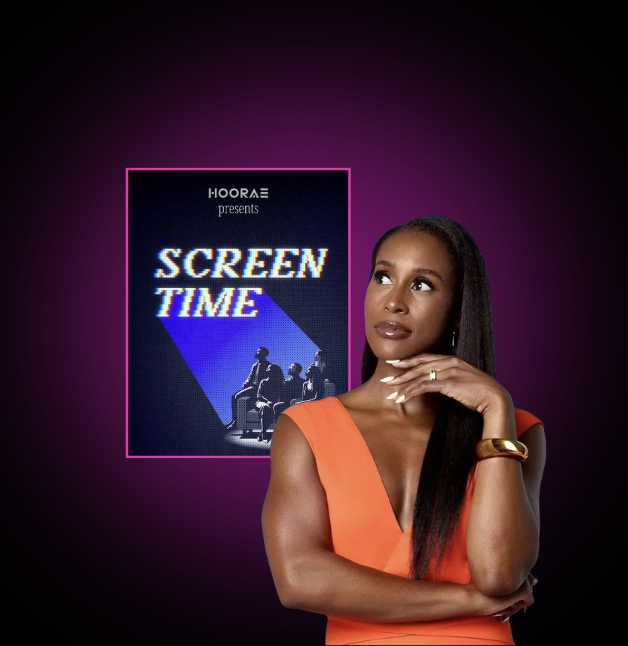
In 2026, Rae partnered with TikTok and her production company Hoorae Media to launch Screen Time, a vertical micro-drama designed specifically for mobile viewing. The series exploded almost immediately, generating tens of millions of views within days and becoming one of the platform’s biggest micro-drama successes. Reports indicate the series surpassed 75 million views in its first week and later exceeded 150 million total views, making it one of the most successful projects in the emerging vertical storytelling space.
For traditional television executives, the rise of vertical dramas may seem surprising.
For Issa Rae, it feels perfectly logical.
The modern audience consumes content differently than it did just five years ago. Viewers are watching on phones, tablets, and social platforms. They are scrolling during lunch breaks, watching on trains, in waiting rooms, and between meetings. Attention spans have changed, viewing habits have changed, and content creators are adapting accordingly.
What makes vertical storytelling so fascinating is its efficiency.
A traditional television season may require millions of dollars and months of production. Vertical dramas operate differently. Episodes are often measured in minutes rather than hours. Storylines move faster. Cliffhangers arrive quickly. Entire seasons can be produced in a fraction of the time and budget of traditional television while still delivering compelling storytelling experiences.
Yet what often gets overlooked is that she has always been a futurist.
Throughout her career, Rae has consistently recognized where audiences were headed before the rest of the industry caught on.
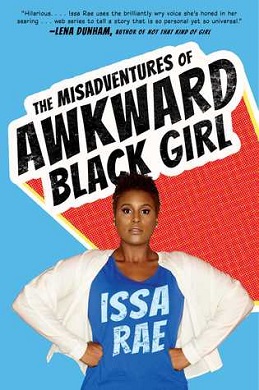
Her groundbreaking web series The Mis-Adventures of Awkward Black Girl wasn’t simply a hit.
It was proof that creators no longer needed traditional gatekeepers to build an audience.
Years later, that same entrepreneurial spirit helped lead to Insecure, a series that changed the landscape for Black storytelling on television and launched an entirely new chapter of her career.
Now, Rae appears to be doing it again.
This time, the platform isn’t HBO.
It’s your phone.
For producers, the possibilities are enormous. Imagine creating dozens of episodes from a single production schedule. Imagine building a loyal audience without requiring them to sit down in front of a television every week. Imagine meeting viewers exactly where they already spend much of their time.
That’s the opportunity vertical storytelling presents.
And Issa Rae appears to understand it better than most. What’s particularly impressive is that she hasn’t approached the format as a gimmick. Rather than lowering creative standards, Rae’s goal has been to elevate the space. Her projects bring recognizable production value, strong performances, and professional storytelling to a format that many industry observers initially dismissed. Audiences responded immediately. Viewers praised Screen Time for its acting, production quality, and addictive storytelling, proving that shorter content does not have to mean lower quality.
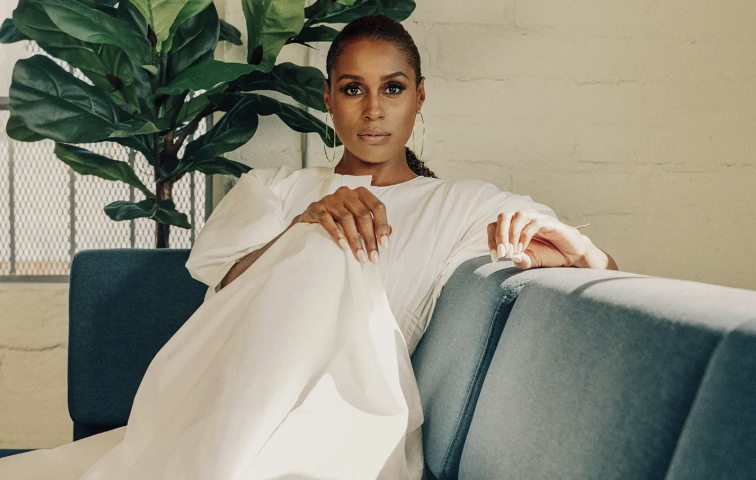
In many ways, this moment feels familiar.
Years ago, some people dismissed web series. Then streaming arrived.
Years ago, some people dismissed social media creators. Then they became media companies. Today, some people dismiss vertical dramas. History suggests that may be a mistake. Will vertical storytelling replace traditional television?
Probably not. But it doesn’t have to.

Streaming didn’t eliminate movies. Podcasts didn’t eliminate radio.
TikTok didn’t eliminate television. New formats rarely replace old ones. They simply expand the ecosystem.
That is why Issa Rae’s latest move feels so significant.
She isn’t chasing a trend. She’s doing what she has always done.
She’s paying attention to where audiences are going next.
The entertainment industry is changing once again. Screens are getting smaller. Stories are getting shorter. Viewing habits are evolving.
And once again, Issa Rae finds herself standing at the front of the movement.
Some creators follow the future.
Issa Rae has built a career by helping create it.