
When casting cuts corners, it doesn’t just risk bad press — it risks people’s safety.

This Was Preventable
The controversy surrounding Taylor Frankie Paul and The Bachelorette isn’t just another headline.
It’s a system failure. Because in television — especially unscripted — there is one rule that is not supposed to be broken:
You vet. Thoroughly. Always. No exceptions.

What Proper Vetting Actually Looks Like (From a Casting Director)
This isn’t guesswork. This is standard practice.
Before anyone is cast on a major reality show, they typically go through:
- Extensive background checks (criminal, civil, behavioral patterns)
- Psychological evaluations (mental and emotional stability)
- Medical testing
- STD/STI testing (especially for dating shows)
- Deep social media audits
- Multiple producer interviews
This process exists for one reason: Safety. Not just for the network — but for:
- The cast
- The crew
- The audience
Why These Rules Exist: We’ve Seen What Happens When They Don’t
The industry didn’t create these safeguards for no reason.
They were built after real consequences.
Cases like the fallout from The Jenny Jones Show — where a guest was later involved in a tragic murder — changed how television approached vetting forever.
That moment forced the industry to say:
“We cannot afford to not know who we’re putting on screen.”
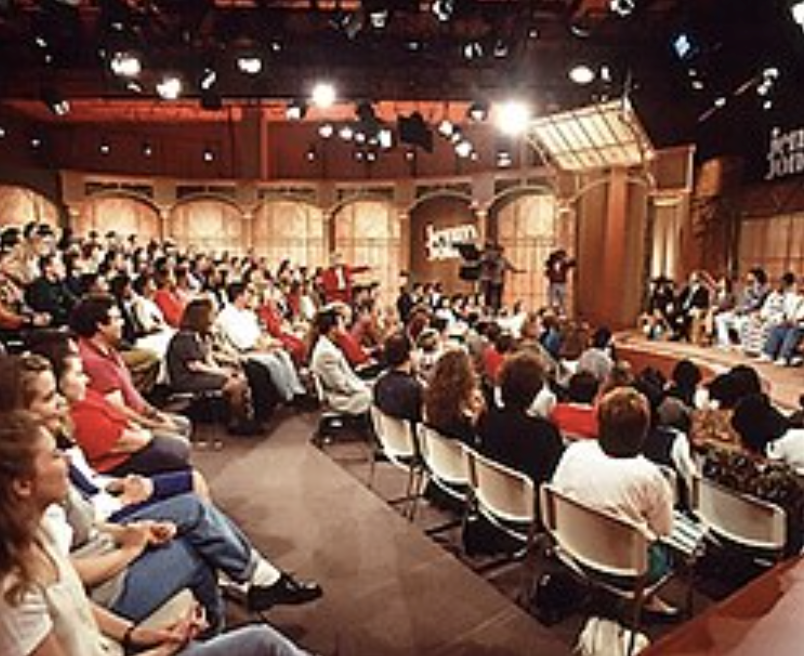
So What Happened Here?
Reports suggest that producers were:
- Eager for ratings
- Drawn to a built-in audience
- Willing to move quickly
And in that urgency?
Corners may have been cut. That’s not just a production decision. That’s a liability decision.
VIVID POV: You Don’t Trade Safety for Buzz
This is where it gets uncomfortable.
Because the truth is:
The system worked for decades.
Until people started prioritizing:
- Virality
- Followers
- “Buzz casting”
Over:
- Stability
- Readiness
- Safety
The Bigger Industry Problem
This isn’t just about one show.
It’s about a shift in casting philosophy:
From “Who is right for this?”
To “Who will get us attention fastest?”
And those are not the same thing.
What Needs to Change (Going Forward)
If reality TV is going to survive this era, the industry needs to recommit to:
- Full vetting — no shortcuts
- Mental health accountability
- Stronger producer responsibility
- Ethical casting standards
Because when you skip steps…
The consequences don’t just stay on screen.
Final Take
The scandal isn’t shocking. What’s shocking is that in 2026…
We’re still having to remind people why these systems exist.
Because this was avoidable. And in television — avoidable mistakes are the most dangerous ones.